Executive Summary
The “Blog On Your Own” project demonstrates the power of custom WordPress development when technical expertise is applied without the constraints of pre-defined themes or restrictive hosting environments. Lime Street developed a bespoke, high-performance platform from scratch, resulting in a sustainable website that has consistently exceeded Google’s Core Web Vitals benchmarks for over five years.
Background & Challenges
In typical client projects, developers often face limitations such as strict budget caps, tight deadlines, or the requirement to use specific third-party themes and plugins that can bloat the site.
The challenge for this project was to move away from these limitations and create a “gold standard” blog platform that serves as both a content hub and a technical showcase. The goals were:
1
To achieve maximum creative and technical control
2
To ensure long-term sustainability and performance
3
To provide an optimal user experience (UX) across all devices
The Approach
Leveraging extensive experience in WordPress theme and plugin development, the team adopted a “from the ground up” development strategy.
Custom Development & Design
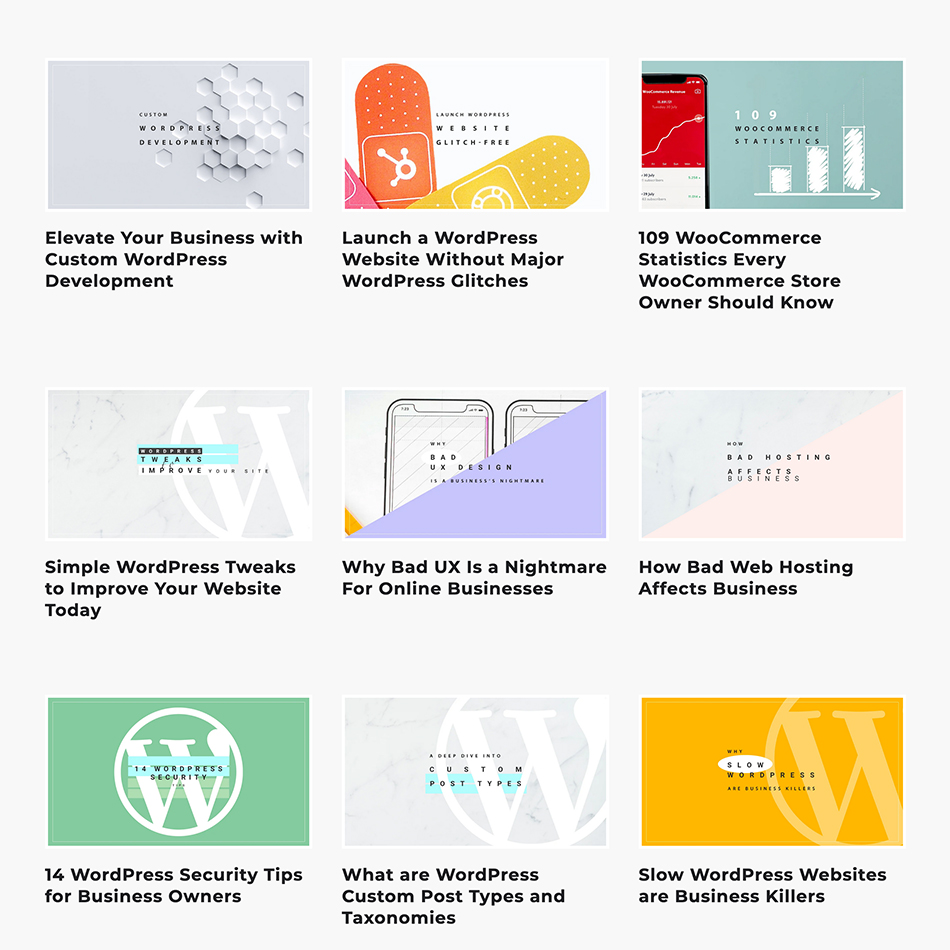
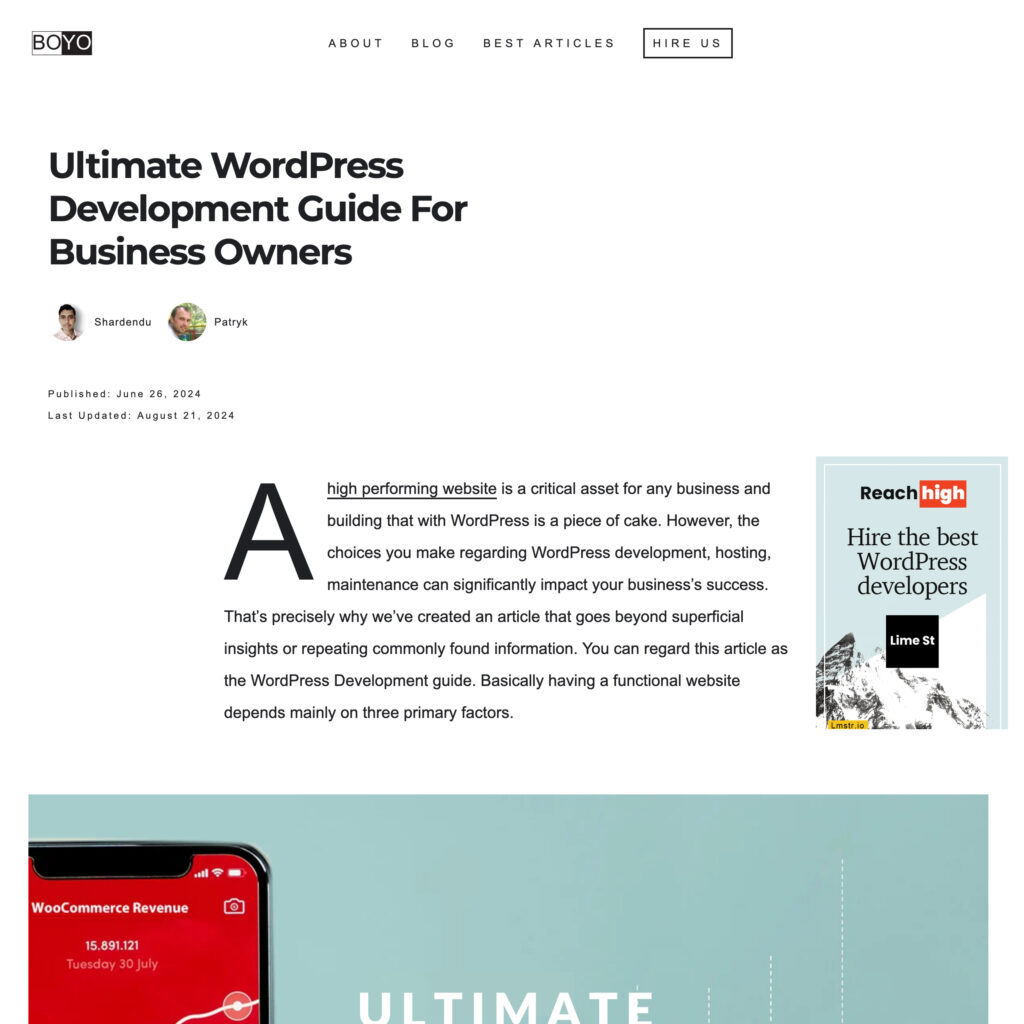
Instead of using off-the-shelf solutions, Lime Street built a unique custom theme. This ensured the code was clean, lightweight, and perfectly aligned with the brand’s aesthetic and functional needs.
Custom Plugin Architecture
To avoid “plugin bloat”—a common cause of slow WordPress sites—custom plugins were developed to handle specific functionalities, including PWA (Progressive Web App) features and external service integrations.
Performance Optimization
Advanced speed optimization techniques were baked into the core of the site:
Caching & CDN – Implementation of robust caching layers and Content Delivery Networks.
Asset Optimization – Advanced image compression and efficient script loading.
Infrastructure – Selection of high-performance hosting environments.
Mobile-First & UX Design
The site was designed to be fully responsive and cross-browser compatible. A simple, intuitive navigation structure was prioritized to enhance user engagement and reduce bounce rates.
Technical SEO
Beyond content, the site was optimized at a code level with:
- Proper Schema markup for rich snippets.
- Optimized XML sitemaps and robots.txt configuration.
- Meta tag automation and clean URL structures.
Key Solutions & Innovations
API Integration
Utilizing external APIs to pull real-time data, such as theme statistics from WordPress.org.
Automation
Implementing professional DevOps workflows using Git, GitHub, and GitHub Actions for seamless deployment and testing.
Security & Maintenance
Establishing a continuous monitoring protocol and hardening the WordPress core to prevent vulnerabilities.
Results
The project has proven to be a long-term success, requiring only minor updates since its launch in 2018.
1
Sustainability
The site naturally met Google’s Core Web Vitals requirements introduced in 2020 without needing a major overhaul.
2
Performance
Consistently high loading speeds and performance scores across audit tools.
3
User Engagement
A cross-device compatible interface that provides a seamless reading experience.



Conclusion
Launched in November 2018, the Blog On Your Own website has been effectively serving its purpose with only minor updates needed over the years. It was built using best practices that have allowed it to consistently meet the benchmarks set by Google’s Core Web Vitals, introduced in May 2020, demonstrating its sustainability and forward-compatibility. The website not only continues to fulfill its initial purposes but also stands as a testament to the advantages of having full control over website development and maintenance.
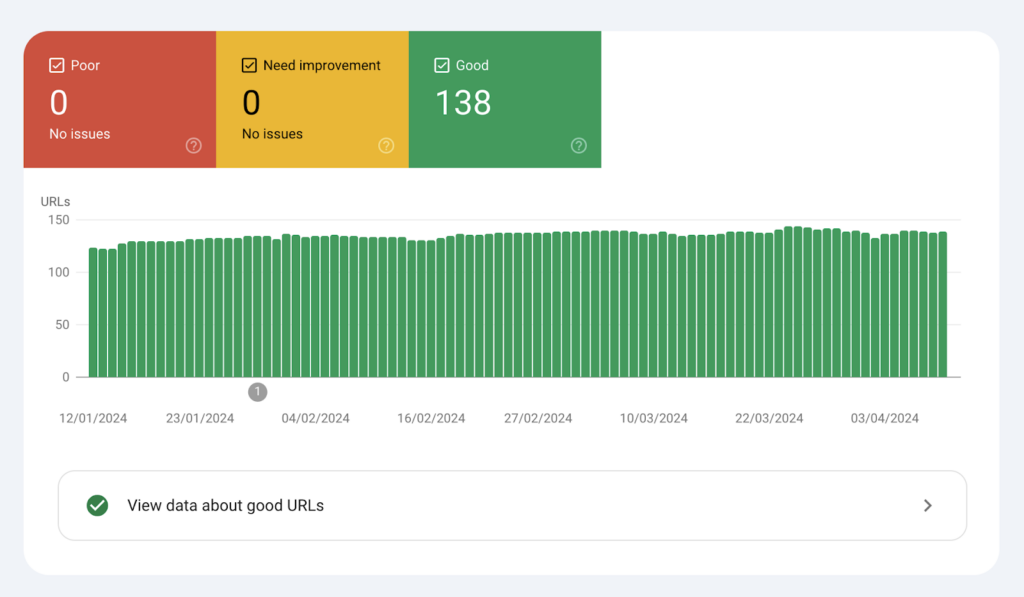
The success of Blog On Your Own underscores the benefits of custom website development, particularly when developers can implement their full range of skills without external constraints. This approach not only leads to high-performance outcomes but also allows for ongoing experimentation and improvements, crucial for staying ahead in a rapidly evolving digital landscape.